

One of the rumors that seem to continue to grow on the estate planning grapevine is that you only need asset protection if you are a high-net-worth individual. In fact, the opposite is sometimes true because those with high assets typically have been well-advised to keep their assets safe.

Estate Planning for an Inheritance or a Windfall
While much of estate planning is designed to protect us from the negative impact of misfortunes like incapacity or premature death, keen estate planning attorneys are just as concerned with protecting us if we hit the jackpot. If you reside in Southeastern Massachusetts or on Cape Cod, the accomplished attorneys of...

Kiplinger Article: What a Beneficiary Controlled Trust Can Do to Protect Your Legacy After You Are Gone
Life is messy sometimes. Divorce, bankruptcies and lawsuits happen, and they can potentially wipe out the inheritance you’ve carefully set aside for your loved ones. But there are many trust options to help keep life from ruining your legacy.
Continue reading…
Many estate planners believe that their job is done...

Why Choose Surprenant & Beneski, P.C.
By Dan Surprenant, Esq., CELA
As one of the managing partners at the firm, along with my sister, Michelle Beneski, I thought it would be helpful for me to share the reasons we are qualified in the specialty of Elder Law and what that means for prospective clients. I...

Estate Planning for Teachers
To say the last year and a half has been a challenge would be the understatement of the century. So many have stepped up to help others and to give a sense of normalcy in such an abnormal time. One group of people especially come to mind: teachers.
Children...

Make Sure Your Beneficiary Designations Match Your Estate Plan
Many types of property and investments pass outside of probate and allow you to designate who will receive them after your death. It is important that these designations are kept up to date and are consistent with the rest of your estate plan.
When you open up an investment...

I don’t have a large estate. Do I need an estate plan?
An estate plan goes much further than a will. Not only does it deal with the distribution of assets and legacy wishes, but it may help you and your heirs pay substantially less in taxes, fees, and court costs. You should always consult an estate planning attorney to discuss your unique situation...
Preparing Heirs For Transfer of Inheritance
The key to a successful wealth transfer is maintaining clear communication. Estate planning attorneys can help when you wish to involve heirs in the planning stages in order to make the wealth transition easier.
Open Communication
Lack of trust or communication has squandered 60% of family fortunes, which...

If Life is a Highway, then Estate Planning is the Road Map
Estate Planning is like a road map. And while the map may be straight forward for some, for others there may be stops along the way. One thing is for sure is that it all leads to the same destination: peace of mind!
A lot of people put off...
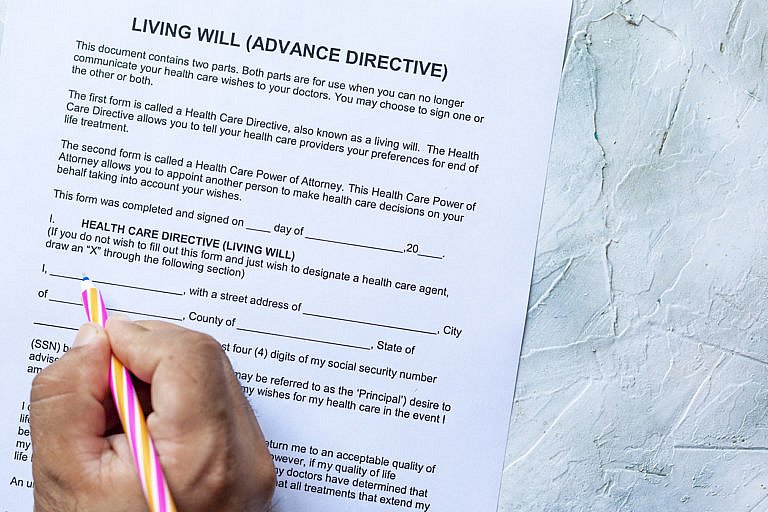
Six Important Facts About Advance Directives in Massachusetts
Advance directives might sound like something you only need later in life. But the truth is, they’re an important part of any adult’s planning. These documents give you control over your medical decisions, even when you’re not in a position to speak for yourself. They also take pressure off your loved ones,...